Sweden's Oversight Framework and Its Role in Shaping Prize Anonymity Across Virtual Slot Networks and Regional Lottery Systems
Bianca Schmitz · Nov 16, 2026

Sweden's Oversight Framework and Its Role in Shaping Prize Anonymity Across Virtual Slot Networks and Regional Lottery Systems
Sweden maintains a structured licensing system through Spelinspektionen that governs both virtual slot networks and regional lottery operations, with specific provisions affecting how prize winners maintain anonymity. The framework requires all licensed operators to comply with data protection standards that intersect with privacy legislation, creating consistent rules for handling winner information across platforms. Observers note that these requirements apply uniformly whether players participate in online slot sessions or purchase tickets through regional lottery outlets.
Core Elements of the Regulatory Structure
Spelinspektionen issues licenses that mandate secure data handling practices, and operators must demonstrate systems capable of shielding personal details when prizes reach certain thresholds. Data shows that licensed entities integrate encryption protocols and access controls to prevent unauthorized disclosure of winner identities. Those who operate virtual slot networks face the same verification standards as regional lottery organizers, ensuring that anonymity options remain available without compromising transaction integrity. Research from European gaming reports indicates that these aligned standards emerged from updates implemented in the late 2010s and have remained stable through subsequent reviews.
Application to Virtual Slot Networks
Virtual slot platforms licensed in Sweden must route all prize claims through verified accounts that can support anonymous payout channels when players opt for them. The system allows winners to receive funds via methods that do not require public disclosure, provided operators retain internal records for regulatory audits. Figures from industry analyses reveal steady adoption of these privacy features among players using mobile and desktop interfaces. What's interesting is how the same technical infrastructure also supports compliance checks during high-volume tournament events without exposing individual details to external parties.
Regional Lottery Systems and Anonymity Protocols
Regional lotteries operate under parallel requirements that permit winners to claim prizes while restricting public announcements to aggregate totals rather than names. Lottery organizations coordinate with Spelinspektionen to maintain databases that separate prize distribution logs from personal identifiers. According to documentation from the authority, this separation helps regional systems manage large jackpots distributed across multiple draws without triggering automatic publicity. People involved in these operations report that the process includes optional anonymity declarations at the point of ticket purchase, which then carry through to payout stages.
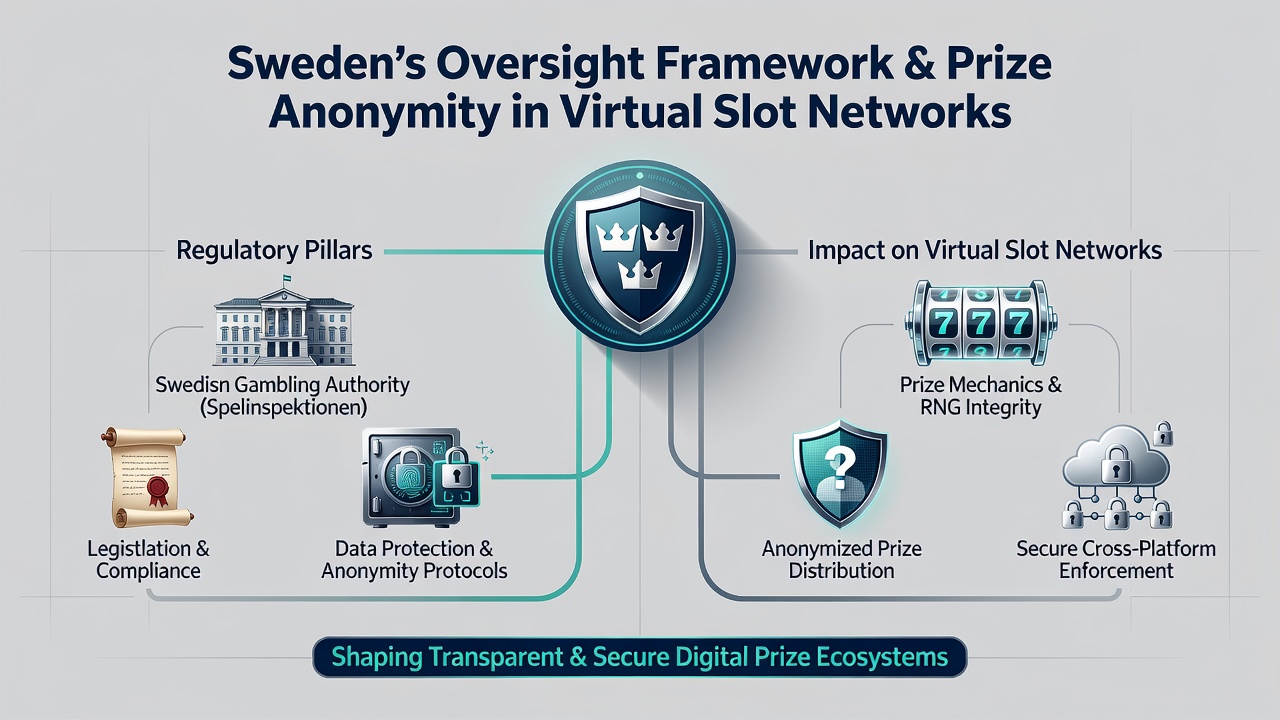
November 2026 brought continued alignment between virtual slot operators and regional lotteries as both sectors prepared for scheduled compliance assessments. The assessments focus on whether existing anonymity safeguards meet evolving data security benchmarks without disrupting prize delivery timelines. Evidence from prior cycles shows that operators who maintain clear separation between player accounts and public records experience fewer administrative delays during these reviews.
Interactions Between Virtual and Regional Platforms
Cross-platform participation has increased, with players moving between virtual slot sessions and regional lottery purchases under the same licensed environment. The oversight framework ensures that anonymity preferences transfer across these activities through unified player verification systems. A study conducted by an Australian research institute on international gambling frameworks noted similar patterns in jurisdictions that prioritize data minimization, where winner privacy correlates with sustained participation rates. Swedish operators apply comparable data handling approaches that limit information shared between networks unless required for fraud prevention.
Technical and Compliance Mechanisms
Operators deploy audited software that flags prize amounts requiring internal documentation while allowing players to suppress public listings. These mechanisms rely on role-based access that restricts visibility to authorized compliance staff only. Reports from the European Gaming and Betting Association highlight how such layered controls reduce the risk of data leaks across both slot networks and lottery channels. The framework also specifies retention periods for records, after which personal identifiers are removed from active systems while aggregate statistics remain available for oversight purposes.
Conclusion
Sweden's licensing and data protection rules continue to define how anonymity functions within virtual slot networks and regional lottery systems. The consistent application of verification standards across platforms supports secure prize distribution while respecting player privacy preferences. As assessments proceed into late 2026, the existing structure provides a stable reference point for operators managing both digital and regional operations under unified regulatory expectations.