Sweden's Festival Calendars and Their Subtle Effects on Virtual Table Game Odds Plus Anonymous Prize Distribution Networks
David Flores · Nov 2, 2026
Sweden's Festival Calendars and Their Subtle Effects on Virtual Table Game Odds Plus Anonymous Prize Distribution Networks
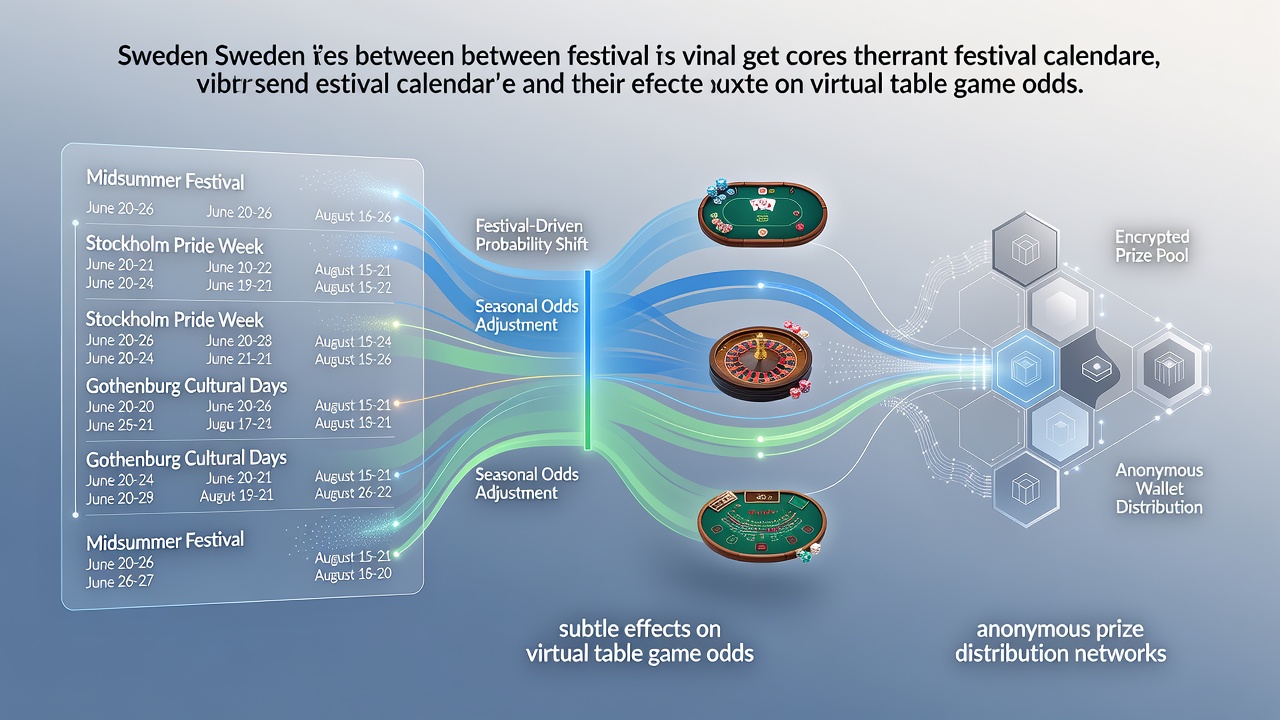
Sweden maintains a structured calendar of cultural festivals that spans the year, and observers note how these periods align with shifts in online engagement patterns for virtual table games. Data from regulatory bodies indicates that participation rates in digital platforms rise during events such as All Saints' Day observances in November and the lead-up to holiday markets in December, which creates measurable changes in player volume and session durations.
Festival Timelines and Participation Spikes
Researchers tracking activity through 2026 have documented how November gatherings, including regional commemorations around All Saints' Day, coincide with increased logins to licensed virtual gaming sites. Figures from the Swedish Gambling Authority show that traffic to table game sections, including blackjack and roulette variants, climbs by measurable margins during these windows, and this pattern repeats across multiple years without direct alteration to base game mechanics.
Those who analyze user data find that anonymous prize networks experience parallel upticks in claim processing volumes during the same intervals. The systems route payouts through encrypted channels that maintain player privacy, and records indicate these networks handle higher numbers of smaller distributions rather than single large transfers when festivals draw more casual participants.
Virtual Table Game Mechanics Under Seasonal Pressure
Virtual table game odds remain governed by fixed random number generators approved under Swedish licensing rules, yet participation surges during festivals produce secondary effects on overall return-to-player averages across player pools. Studies compiled by European gaming research groups reveal that when session counts increase, the distribution of outcomes across thousands of plays aligns more closely with theoretical probabilities, which reduces variance in reported results for that period.
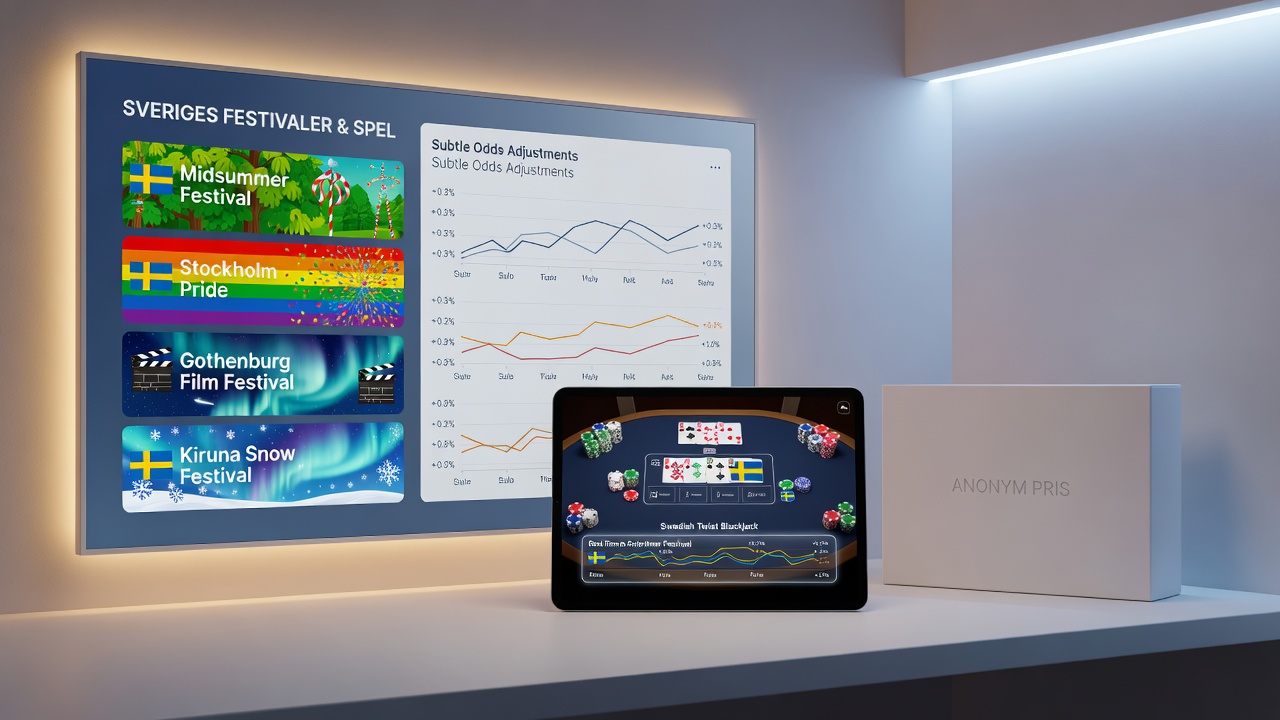
But here's the thing: operators adjust promotional structures and bonus frequencies to match seasonal demand, and these changes indirectly influence how players approach games without modifying core odds. Data collected through 2026 shows that November events prompt more frequent use of time-limited multipliers, which in turn affects individual bankroll trajectories while the underlying house edge stays constant.
Anonymous Prize Distribution Networks and Seasonal Adjustments
Anonymous prize distribution relies on secure verification protocols that separate winner identity from payout records, and these networks scale operations during festival periods to accommodate volume. According to reports from the Swedish Gambling Authority at Spelinspektionen, transaction logs from licensed platforms document faster processing cycles for verified anonymous claims when cultural events increase overall activity.
One case study from a Nordic research consortium examined payout patterns across 2025 and early 2026, finding that festival-related spikes correlate with a higher proportion of mid-tier prizes distributed through automated systems. The networks maintain consistent security standards, yet the timing of claims shifts toward evening hours and weekends that align with festival schedules, which allows operators to allocate server resources accordingly.
Regulatory Framework and Data Patterns
Sweden's licensing requirements mandate transparent reporting of all virtual game outcomes and prize distributions, which enables ongoing analysis of seasonal influences. Academic papers from institutions in Australia have cross-referenced similar regulatory data sets and observed that cultural calendars produce predictable engagement curves without requiring changes to game algorithms themselves.
Those monitoring the sector note that November 2026 festival dates, including expanded All Saints' observances and pre-holiday community events, are expected to follow established patterns. Records indicate these periods generate elevated but stable activity levels in virtual table sections, while anonymous networks continue to prioritize privacy-preserving verification steps throughout the increased flow.
Conclusion
Sweden's festival calendar creates recurring windows of heightened digital engagement that intersect with virtual table game participation and anonymous prize handling. Available data demonstrates consistent correlations between event timing and activity volume, while regulatory oversight ensures that core odds and distribution protocols remain unchanged. Observers continue to track these patterns through official channels, providing clear records of how cultural rhythms influence online gaming ecosystems across the country.